
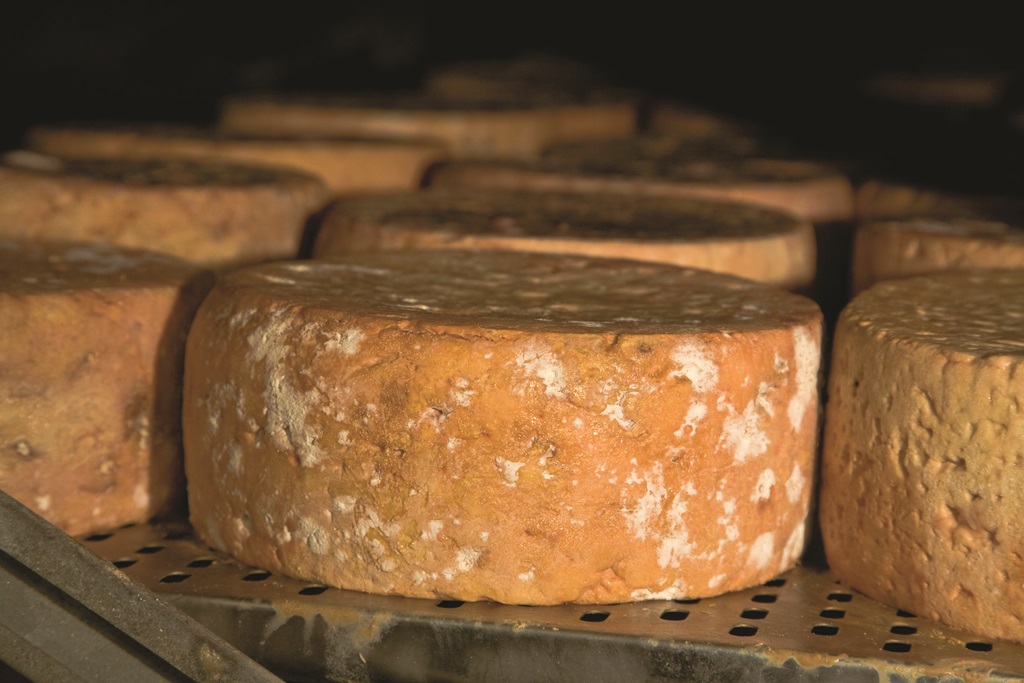

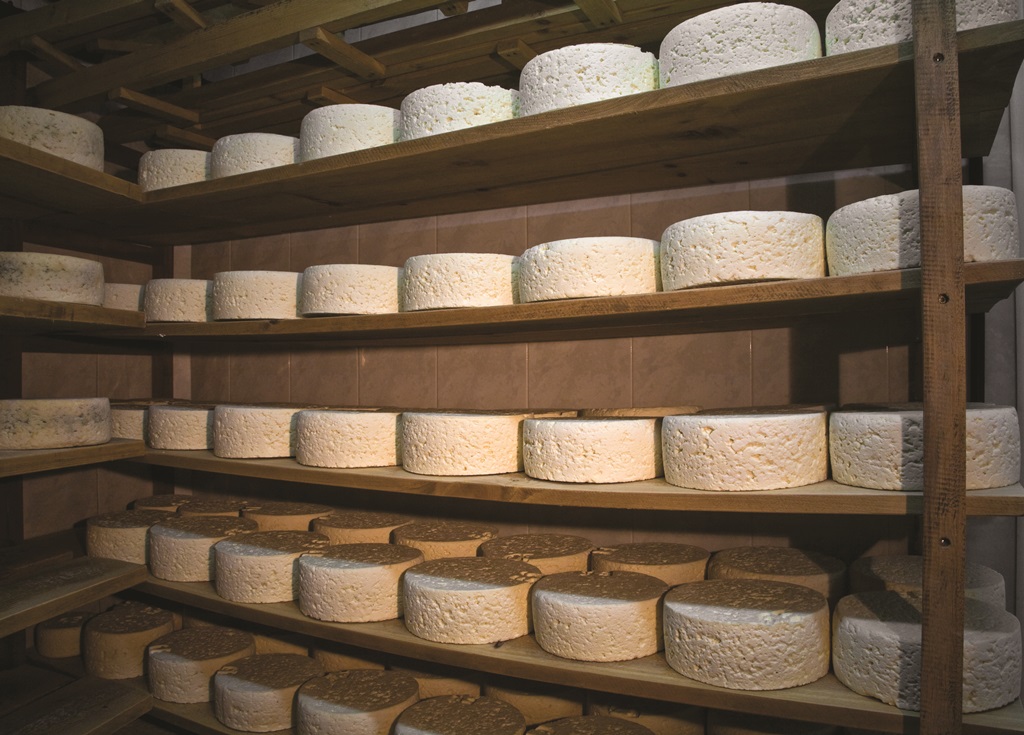
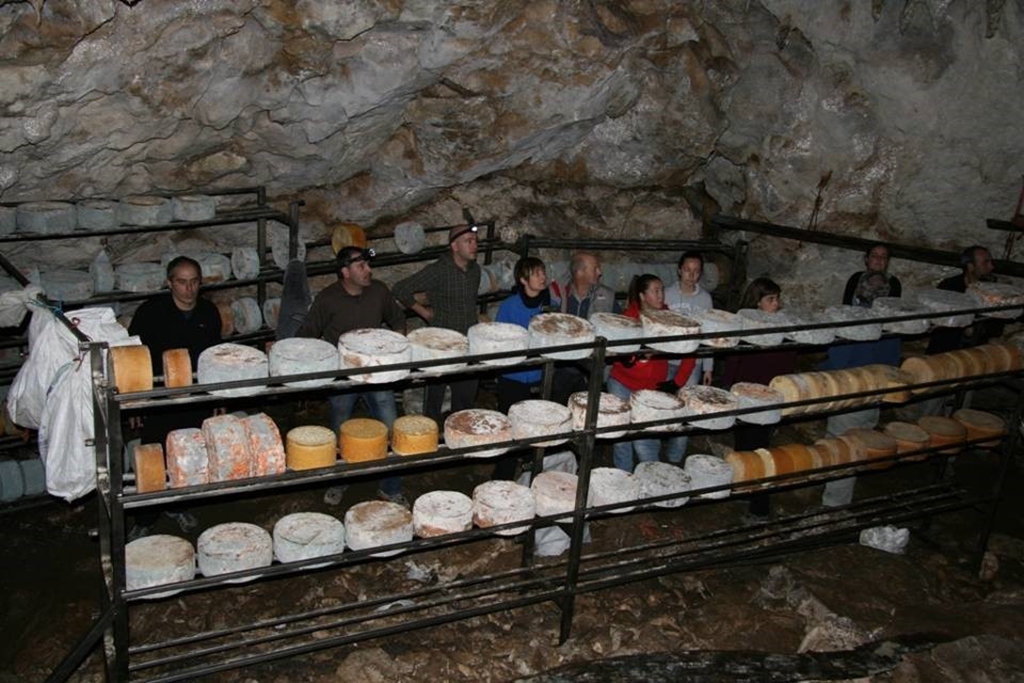




Asturias is one of the regions of Spain with most tradition in manufacturing cheese. The region is well known for its green and vast pasture lands, where a wide range of livestock graze. Asturian cheese range is made mainly with cow milk, but also with goat or sheep milk, or a blend of all of them. It is a typical stamp in Asturias to see sheep or cows grazing in the pastures, mainly in rural areas, but also near the main towns.
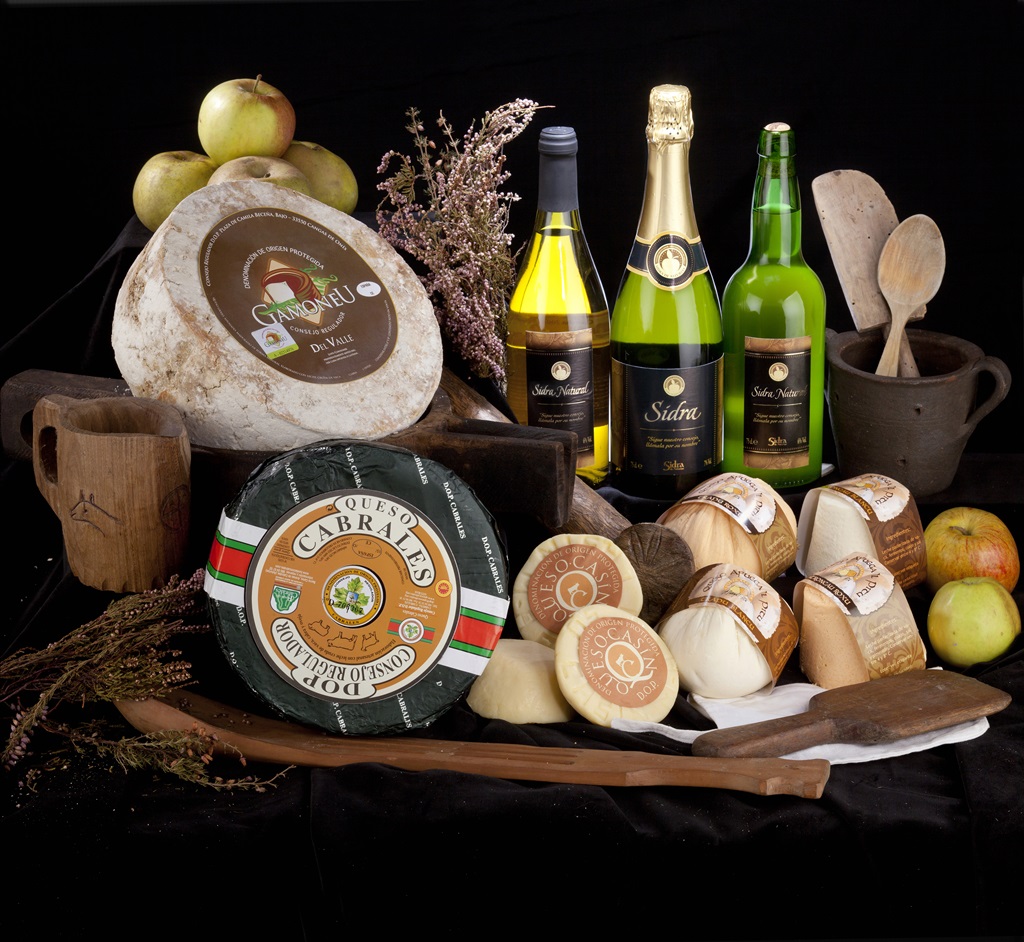
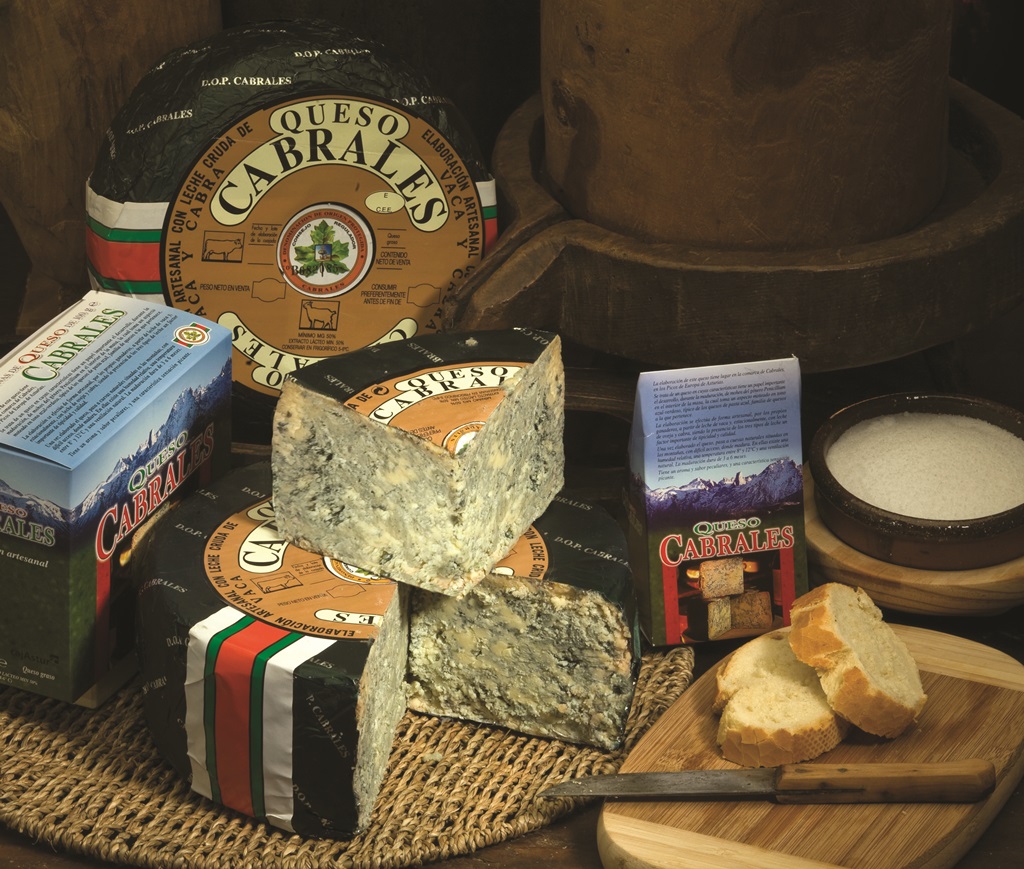
There are more than 50 varieties of cheese in Asturias, 4 of them with a Protected Designation of Origin (PDO) in Europe (Cabrales Cheese, Afuega’l Pitu, Gamoneu and Casín), and another one is in process of obtaining this European distinction: Los Beyos. Some of these varieties are used to make the finest cheese recipes in Asturian gastronomy, like the “escalopines al Cabrales”.
This wide variety of products will give you the opportunity of tasting different flavours and textures, in different shapes, and with hints of other products, like blueberries, nuts or liquors.
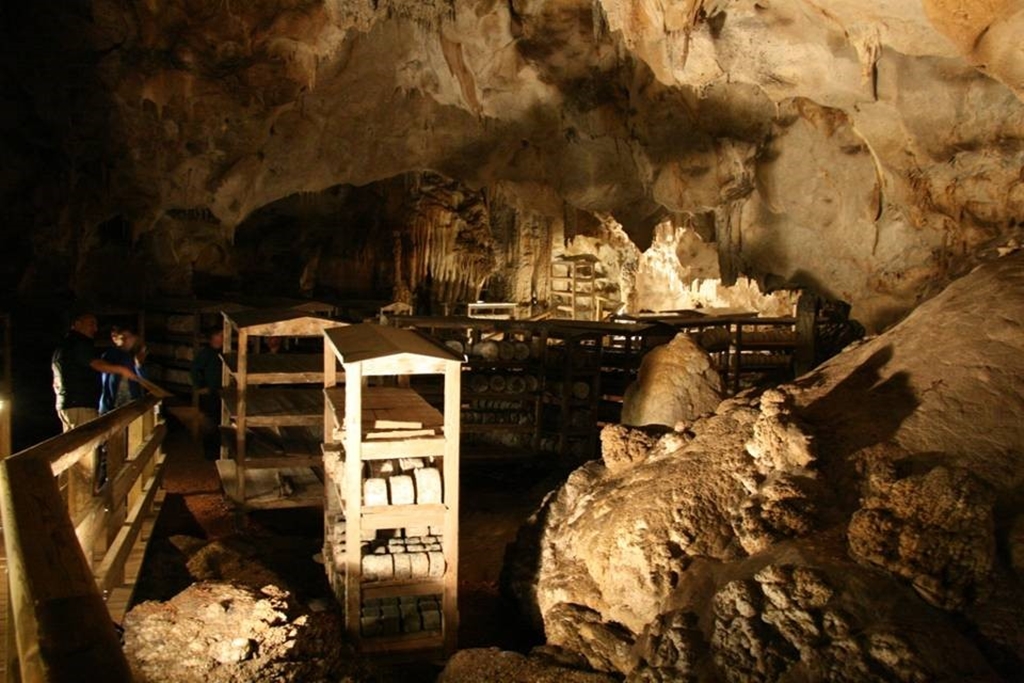
Cheese production in Asturias is made mainly in small, family run, factories, and it is common to visit those factories to discover the traditional way those cheese varieties are made. This makes Asturian cheese special, as you will be tasting very exclusive products but at very good prices.
Asturian gastronomy is very influenced by this great amount of cheese varieties, with cheese recipes like “escalopines al Cabrales Cheese” (beef fillet with Cabrales cheese sauce), “cachopo” (breaded beef fillet filled with cheese and Iberian ham), cheese cakes, cheese platters, cheese and quince jelly (or any other kind of fruit jelly), goat cheese and “cecina” pie, or corn tortilla with Afuega’l Pitu Cheese.
In Where Is Asturias we have selected for you some cheese recipes. These cheese recipes are easy to make but are very tasty and will make an impression on any guest:
Tortos de maíz con afuega’l pitu Rey Silo y cebolla confitada (Asturian Corn Tortos with Rey Silo Cheese and sugar poached onion)
Ingredients:
– 200 gr. Corn flour
– 80 gr. Wheat flour or Spelt wheat flour
– Tepid water
– Salt
– 2 onions
– 30 gr. Butter
– 100 gr. Sugar
– 125 gr. Rey Silo Red Cheese
– Oil
First we mix the corn and spelt (or wheat) flour along with a pinch of salt and a bit of water. We knead the dough until we get a humid dough, but elastic enough to mould it. Once we have it ready we have to store it under a humid cloth and we will leave it settle for a few hours.
On a pan we will poach the onion. We need to cut it in small strips, and then poach it in the butter. When it is poached we will add the sugar and let it poach with the sugar.
To cook the” tortos” we will stretch the dough helping ourselves with two humid cloths, giving them the desired shape and size. We will put a wedge of cheese over each “torto” and then we will put another piece of dough over it and we will seal them with a bit of water.
Once stuffed, we will fry them in abundant hot oil. We will turn them to cook the other side, and then we will let them dry in a cloth or kitchen paper.
Finally we will serve the “tortos” with the poached onion on the top.
Salsa de queso de La Peral, Cabrales o Gamoneu a la sidra (La Peral, Cabrales Cheese, or Gamoneu cheese sauce with natural cider).
Ingredients:
– 150 gr. of La Peral / Cabrales / Gamoneu cheese
– 250 ml. Asturian Natural Cider
– 125 gr. Cream
– 20 gr. Butter
– 1 spoonful of flour
– 1 spoonful of olive oil
– Salt.
Melt the butter and oil in a pan. Add the flour and mix. Add the cider, mix, and let it cook for some minutes.
Chop the cheese into small chunks, add to the mix, and stir until the cheese melts into the sauce. Add the cream, a pinch of salt, and let it reduce for some minutes.
Put the sauce into a blender and soften it.
Pour the sauce over any kind of beef steak and enjoy one of the most traditional cheese recipes in Asturias.
Mejillones con salsa de Afuega’l Pitu (Mussels with Afuega’l Pitu cheese sauce)
Ingredients (for 3 people):
– 1 kg. of mussels
– ½ cup of white wine
– 25 gr. Of butter
– 1 spoonful of flour
– 125 ml. of cream
– Salt
– Some of the broth from steaming the mussels
– 50 gr. of red Afuega’l Pitu cheese
– 50 gr. of white Afuega’l Pitu cheese
First we need to open the mussels with steam. Remove the beards from them and rinse them with cold running water. If any mussels are opened, tap them lightly on a hard surface and if they don’t close or the shell is broken, discard them. Put the mussels in a pot with a bit of water and cover them with a lid, but leaving a bit uncovered. Steam them for some minutes until all of them are open. If any remains closed discard them. Strain the broth you get and put it apart. Put the mussels with one of the shells in a platter.
To make the sauce we melt the butter in a pot and add the flour slowly, as if we were going to make a béchamel. Warm for a few seconds the wine in the microwave and add to the flour. Stir a bit and add a pinch of salt, a bit of the mussels’ broth and the cream. Turn the heat down and stir with a wire whip until we get a thin sauce. We spread the sauce in two different bowls and add to each of them a different type of cheese. With the wire whip we stir until there are no lumps left. We will get a thick sauce. We pour each of the sauces in the mussel shells, some with white sauce, and some with red sauce.
We heat the oven at 250ºC and grate the mussels for some minutes until they are ready.
Finally we present them in a platter or individual dishes.
Here you have a list of all the cheeses you can taste is Asturias:
Cow’s milk cheese:
– Queso Monje: Peñamellera Baja.
– Queso de El Carballo: Taramundi.
– Queso de Oscos: Grandas de Salime.
– Queso de Abredo: Coaña.
– Queso de Xenestoso: Cangas del Narcea.
– Queso Ahumáu: Tineo.
– Queso del Valle del Narcea: Salas.
– Queso de Fuente: Proaza.
– Queso de Afuega’l pitu (PDO): Pravia, Las Regueras, Salas, Grado, Morcín and Riosa.
– Queso Rey Silo: Pravia.
– Queso Frescu de Temia: Grado.
– Queso de La Peral: Illas.
– Queso Varé ecológico: Siero.
– Queso Ovín: Nava.
– Queso de Urbiés: Mieres.
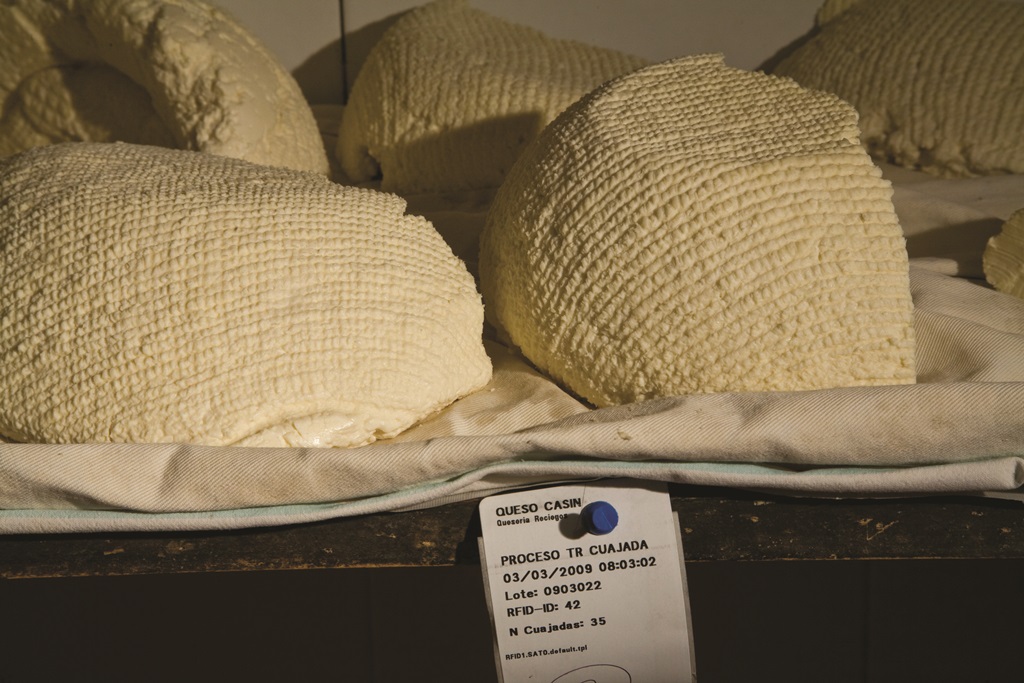
– Queso Casín (PDO): Caso, Sobrescobio and Piloña.
– Queso de Los Beyos (PDO candidate): Ponga and Amieva.
– Queso de Caxigón: Cabrales.
– Queso de Canal de Ciercos: Peñamellera Baja.
– Queso Monje Nata: Peñamellera Baja.
– Queso Cueva de Llonín: Peñamellera Alta.
– Queso de Miranda: Avilés.
– Queso de Los Carriles: Llanes.
– Queso de Piedra: Llanes.
Goat’s milk cheese:
– Queso Monje Cabra: Peñamellera Baja.
– Queso Varé: Siero.
– Queso Ovín: Nava.
– Queso de La Peña: San Martín del Rey Aurelio.
– Queso de Collada: Amieva.
– Queso Cuevas del Mar: Llanes.
– Queso de Peña Tú: Llanes.
– Queso de Porrúa: Llanes.
– Queso de La Chivita: Peñamellera Baja.
– Queso de El Boxu: Cangas de Onís
Sheep’s milk cheese:
– Queso de Jalón: Cangas del Narcea.
– Queso Ovín: Nava.
– Queso de Collada: Amieva.
– Queso Oveyeru: Amieva.
– Queso de Porrúa: Llanes.
Blended milk cheese:
– Queso Rulo con Arándanos: Tineo.
– Queso de Madelva: Piloña.
– Queso de Gamonéu (PDO): Cangas de Onís and Onís.
– Queso de Cabrales (PDO): Cabrales.
– Queso de Urriellu: Llanes.
– Queso de Pría: Llanes.
– Queso de Vidiago: Llanes.
– Queso de Peñamellera: Peñamellera Alta and Peñamellera Baja.
– Queso de La Chivita: Peñamellera Baja.
– Queso Rozagás: Llanes.
– Queso de Arangas: Cabrales.
If you are interested in purchasing any Asturian cheese, or want to know how to make any of our delicious cheese recipes, contact us: info@whereisasturias.com
Images supplied by Turismos Asturias: Kike Llamas and José Suárez